A Comprehensive Checklist for Soil and Seismic Safety Inspections
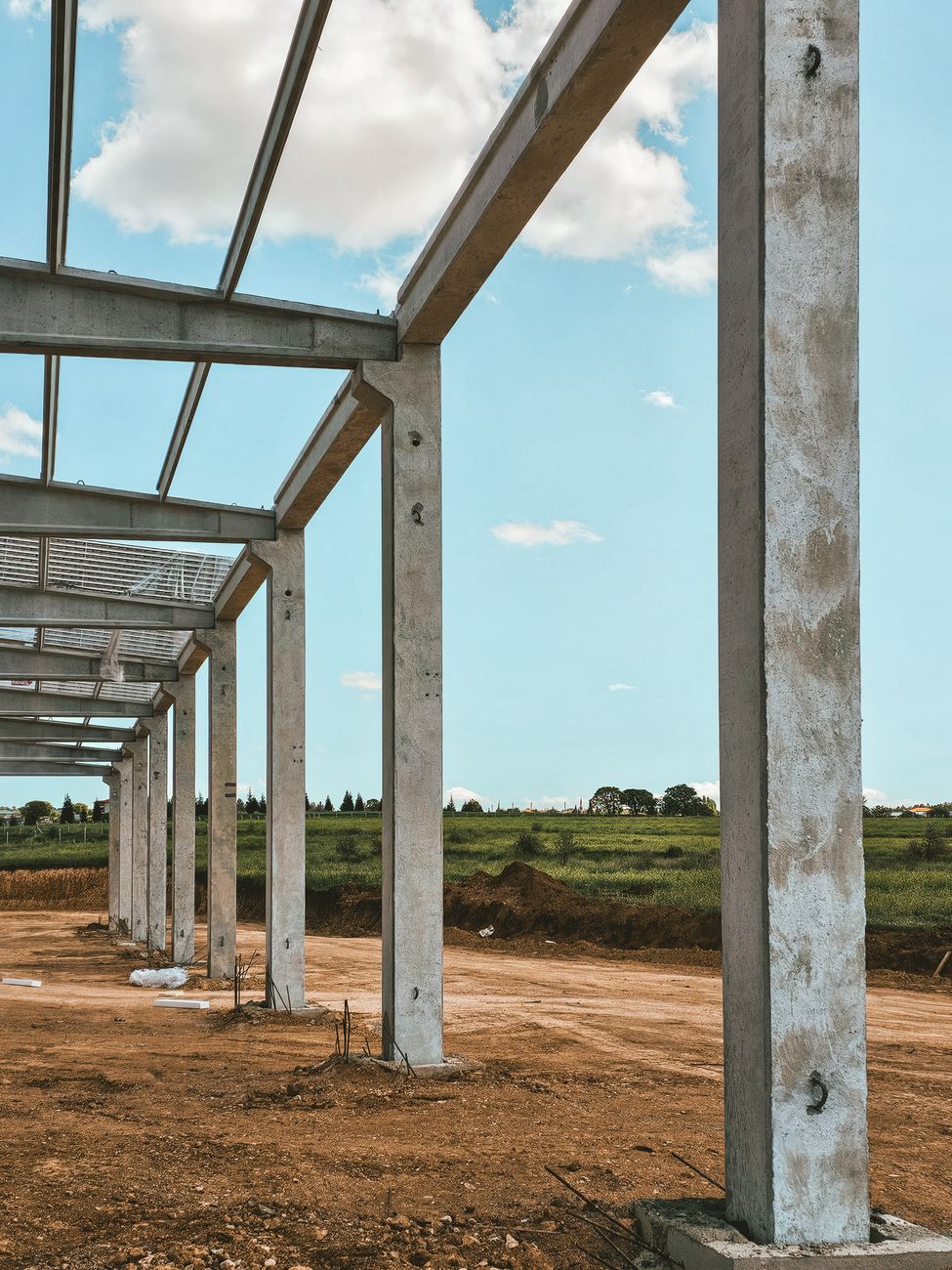
Japan is a highly scrutinized market regarding building code enforcement and soil safety rules. Due diligence checklists used by overseas funds often fail to account for distinct local codes, leaving investors with expensive environmental liabilities.
At Quantum DealLex, we design every technical assessment to meet localized standards under the Soil Contamination Countermeasures Act and Japanese seismic engineering codes.
Seismic Resilience: Decoding PML Ratings
Probable Maximum Loss (PML) is a vital metric for real estate in Japan. A PML of over 15% can prevent institutional financing, while any rating exceeding 20% indicates significant structural vulnerability during seismic events. Our team analyzes these engineering structural reports independently rather than relying on seller-disclosed summaries.
“A seller-provided PML report is a marketing document. Only an independent structural review protects your capital.”
Soil Integrity & Legacy Contamination Risks
Historical industrial sites often carry lingering soil contamination. Under local environmental policies, a new owner inherits absolute liability for soil cleanup once the title transfers, regardless of who caused the damage. Soil remediation in central Tokyo can cost millions, which can completely erode expected transaction yields.
Quantum DealLex Core Diligence Routine
- Phase I Historical Records Audit: Verifying prior land usage records back to the early 1900s to locate industrial risks.
- Independent PML & Structural Inspections: Independent on-site evaluations conducted by our partnered construction engineers.
- Remediation Cost Modeling: Factoring any potential mitigation budgets directly into our price negotiations.