Mitigating Unseen Zoning Risks in Tokyo Industrial Zones
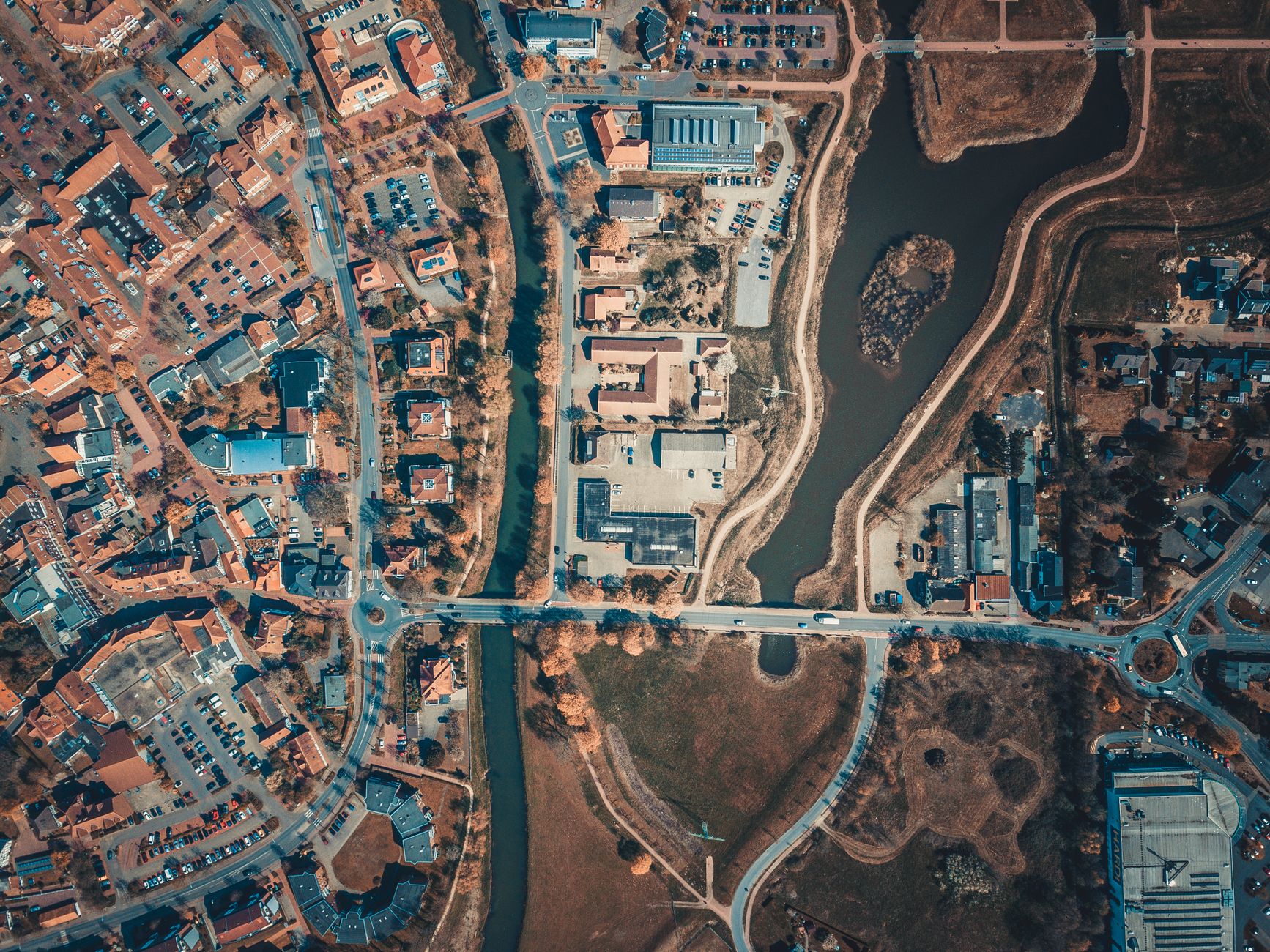
When securing high-value logistics hubs, multi-family high-rises, or industrial spaces in Tokyo, the primary challenge is rarely the brick-and-mortar execution. Instead, the true challenge lies in the complex system of local zoning parameters.
Japan’s Building Standards Act defines 12 distinct usage zones. A property operating smoothly for two decades can find its usage footprint heavily restricted upon redevelopment or expansion if local zoning codes have shifted silently in the background. Foreign or institutional capital operating without careful advisory often assumes active usage implies perpetual conformity. This is a critical misconception.
The Danger of Non-Conforming Uses
Many commercial properties are categorized as "non-conforming use" (existing non-conformity). While they are legally permitted to stand in their current state, any structural changes, expansion, or reconstructions require them to align with newly updated codes. This transition can reduce rentable space by 30% or more, destroying yield models.
“Relying on a property’s historical state without auditing local regulatory shifts is one of the highest risk approaches in luxury acquisitions.”
Structuring Protective Solutions
To insulate our clients, we deploy a three-layered protection framework:
- Pre-Transaction Zoning Audits: Complete physical analysis of compliance parameters with local municipal registries.
- Redevelopment Risk Modeling: Simulating potential development constraints to establish the true modern asset value under modern zoning regulations.
- Indemnity Agreements: Engineering transaction structures that place zoning risk on the selling party until formal clearances are provided.
By applying clear advisory principles, Quantum DealLex transforms complex compliance risks into strategic bargaining advantages.